
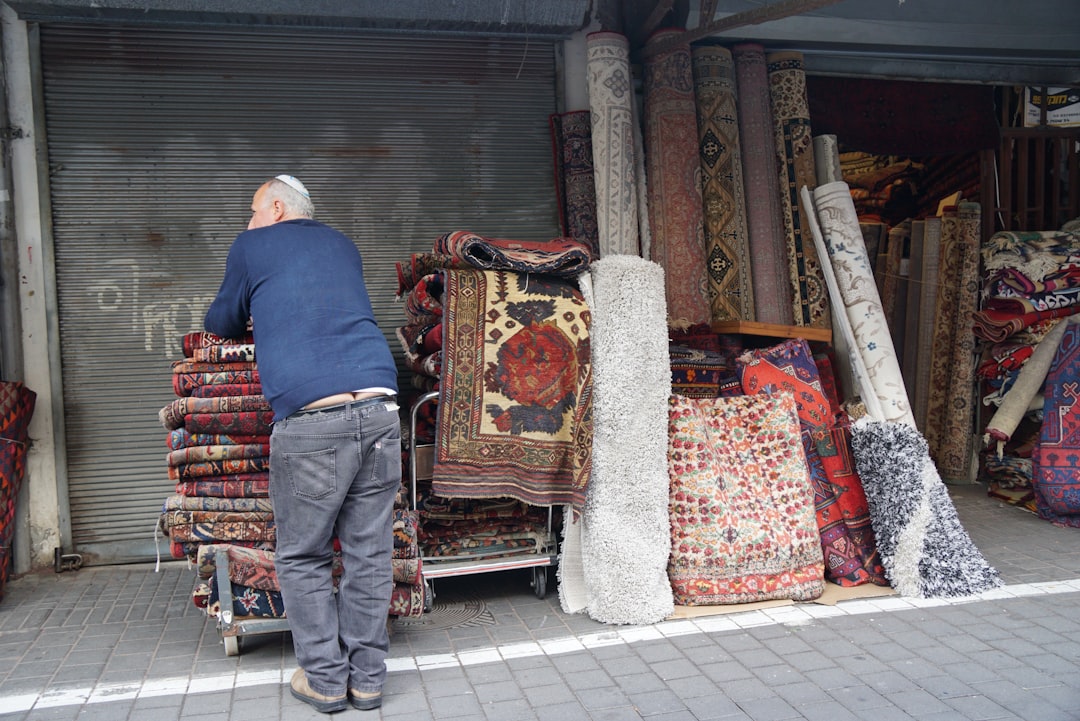
Layering rugs is an art that can transform any space into a stylish haven. It allows for creativity and personalization, making your home feel unique and inviting. Whether you are looking to add warmth, texture, or a pop of color, layering rugs can achieve all of this and more. In this article, we will explore the secrets to mastering the technique of layering rugs, ensuring you create a trendy look that reflects your personal style.
Understanding the Basics of Layering Rugs
Before diving into the specifics, it’s essential to understand the fundamentals of layering rugs. The key is to choose rugs that complement each other in terms of color, pattern, and texture. Start with a larger, foundational rug that anchors the space, then add a smaller, decorative rug on top. This not only adds depth but also creates visual interest, making your room feel more dynamic.
When selecting your rugs, consider the materials as well. Natural fibers like wool or jute work well as base layers due to their durability and versatility. On the other hand, a smaller rug made of a softer material, such as cotton or a plush blend, can add comfort and style. Remember, the goal is to create a harmonious look that feels intentional rather than chaotic.
Choosing the Right Color Palette
Color plays a crucial role in the success of your layered rug design. Start by identifying a color palette that resonates with your overall decor. If your foundational rug is neutral, you can play with bolder colors in the top layer to create a striking contrast. Alternatively, if your base rug has a vibrant pattern, opt for a solid color or subtle pattern on top to avoid overwhelming the space.
Don’t shy away from mixing patterns, but do so with caution. A good rule of thumb is to vary the scale of the patterns; for instance, if your base rug has a large geometric design, a smaller floral pattern on top can create a balanced look. This layering technique adds complexity and intrigue to your decor, making it visually appealing.
Textural Contrast for Added Depth
Texture is another vital element in layering rugs. Combining different textures can elevate your space and make it feel more inviting. For example, pairing a soft, shaggy rug with a flat-woven jute rug can create a beautiful contrast that draws the eye. This interplay of textures not only adds depth but also enhances the tactile experience of the room.
When experimenting with textures, consider the function of the space. In a living room, a plush rug can create a cozy atmosphere, while a more durable, textured rug might be better suited for high-traffic areas like hallways. Always keep in mind how the textures will interact with each other and the overall feel you want to achieve.
Practical Implementation: Step-by-Step Plan
To successfully layer rugs in your home, follow this simple step-by-step plan. Step 1: Choose a large foundational rug that fits your space and complements your decor. Step 2: Select a smaller decorative rug that contrasts in color or pattern. Step 3: Experiment with placement to find the most visually appealing arrangement. Step 4: Adjust the textures to create depth and interest in your layered look.
By following these steps, you can confidently layer rugs in your home, creating a stylish and inviting atmosphere. Remember, the key is to have fun and express your personal style through your choices. With a little creativity and experimentation, you’ll uncover the secrets to achieving a trendy layered rug look that enhances your space.