
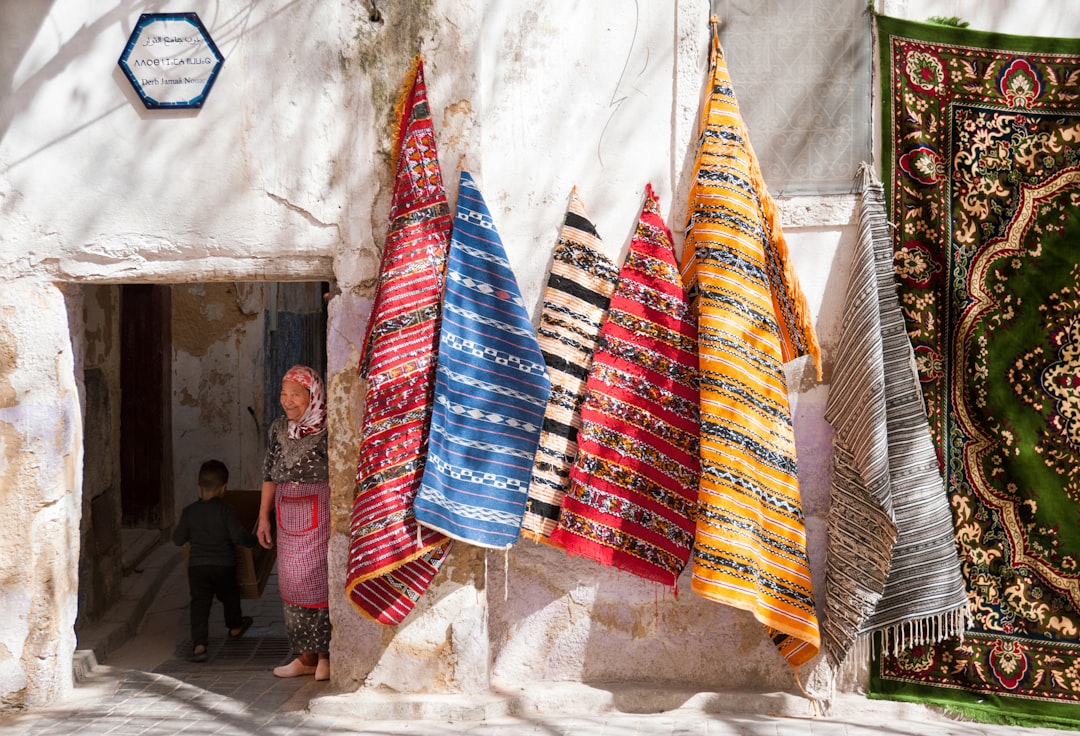
Rugs are more than just decorative elements in our homes; they can transform a space, adding warmth and character. When it comes to mixing and matching rugs with your existing decor, the choices can be overwhelming. However, with a focus on sustainability and ethical sourcing, you can make decisions that not only enhance your home but also reflect your values.
Understanding Color and Pattern
The first step in mixing and matching rugs is to consider the color palette of your existing decor. Look for rugs that complement or contrast with your furniture and wall colors. For instance, if your room features neutral tones, a vibrant rug can serve as a focal point, drawing the eye and adding interest. On the other hand, if your decor is already bold, a more subdued rug can help balance the space.
Patterns also play a crucial role in rug selection. When combining different rugs, aim for a mix of patterns that share a common color or theme. For example, pairing a geometric patterned rug with a floral one can create a dynamic look, provided they share similar hues. This approach not only enhances visual appeal but also allows for personal expression in your home decor.
Size Matters
Choosing the right size is essential when mixing rugs. A common mistake is selecting rugs that are too small for the space, which can make the room feel disjointed. Ideally, your rugs should be large enough to anchor your furniture, creating a cohesive look. For instance, in a living room, the front legs of your sofa and chairs should sit on the rug, providing a sense of unity.
When layering rugs, consider the sizes of both rugs involved. A larger, neutral rug can serve as a base, while a smaller, patterned rug can be placed on top for added texture and interest. This layering technique not only adds depth to your decor but also allows for creative combinations that reflect your style.
Material Selection and Sustainability
In today’s eco-conscious world, the materials used in your rugs matter significantly. Opting for rugs made from natural fibers such as wool, cotton, or jute can reduce your environmental footprint. Crafted Aura Shop, for instance, offers a range of rugs that are ethically sourced and produced, ensuring that your purchase supports sustainable practices.
Additionally, look for certifications like Fair Trade, which guarantees that the artisans who create the rugs are paid fairly and work under safe conditions. This not only enhances buyer trust but also contributes to a more ethical marketplace. By choosing certified rugs, you can feel good about your purchase, knowing it supports both the environment and the people behind the craftsmanship.
Creating a Cohesive Look
Once you’ve selected your rugs based on color, size, and material, it’s time to create a cohesive look. One effective way to achieve this is by using a unifying element, such as a common color or texture. For example, if your main rug features shades of blue, consider incorporating smaller rugs that include similar tones, creating a harmonious flow throughout the space.
Another approach is to use rugs that share a similar style or theme. If your decor leans towards bohemian, look for rugs that reflect that aesthetic, whether through intricate patterns or earthy colors. This consistency will help tie your decor together, making your home feel thoughtfully curated.
Accessorizing with Rugs
Rugs can also be accessorized to enhance their impact in your decor. Consider adding complementary elements such as cushions, throws, or artwork that echo the colors or patterns of your rugs. This not only reinforces the design but also creates a layered, inviting atmosphere in your home.
Furthermore, don’t shy away from experimenting with different placements. A rug can be used in unexpected areas, such as a hallway or entryway, to create a welcoming vibe. By thinking outside the box, you can maximize the potential of your rugs, making them a key feature in your overall decor strategy.